Children’s Wear Design Requirements:

Basically, our children’s wear designs focus on style and colour, while aligning with children’s physical and mental characteristics and paying close attention to their physiological needs and psychological traits. Our designs are tailored accordingly. We strive to meet parents’ expectations for children’s clothing through functionality, technical quality, cultural value, artistic expression, fashion appeal, and affordability.

In general, the age range for children’s wear is divided into: infants (0–1 year), toddlers (1–3 years), and young children (4–6 years). Different age groups have different design requirements.

View all products

Requirements for Infant Clothing (0–1 year old):

For infants aged 0–1, the general clothing requirements are as follows:

Characteristics:
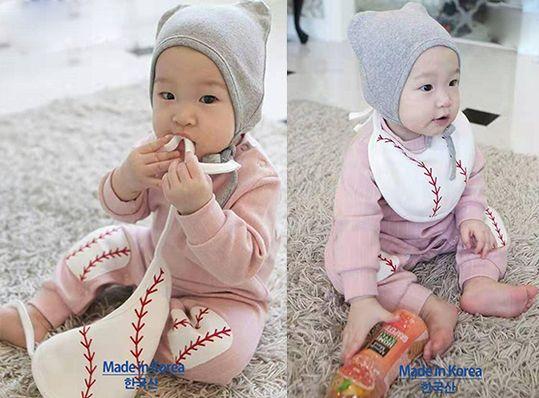
Before the age of one, most infants tend to be relatively chubby with a soft, plump appearance. Physiologically, they sleep a lot, perspire more, and have frequent excretions. Their skin is delicate and sensitive, so protective needs are the primary consideration.

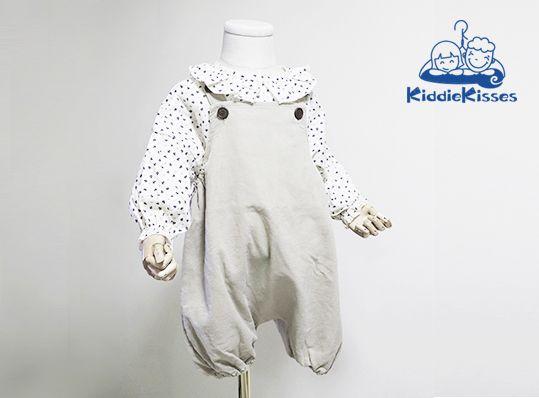
Soft and loose-fitting materials with good elasticity, moisture absorption, and breathability. Warm, natural fibres are preferred, with pure cotton fabrics being the main choice.

Colours:
As infants’ eyes have low adaptability, clothing colours should not be overly bright or glaring. White and soft, light colours are preferred.

Construction & Craftsmanship:
As infants spend long periods sleeping, structural lines and seams should be minimised as much as possible. Designs should be simple and convenient, with openings and closures mainly positioned at the front chest, shoulder lines, or sides. Most garments use a romper-style design to make diaper changes easier for parents.

VIEW ALL PRODUCTS

Requirements for Toddler Clothing (1–3 years old):

For toddlers aged 1–3, the general clothing requirements are as follows:

Characteristics:
At this age, children generally have larger heads, short and thick necks, short and chubby limbs, and round bellies with a forward-leaning posture. This stage is also a key period for psychological and intellectual development. As the saying goes, “nine out of ten children have a round waist and protruding belly.”

Dressing requirements:
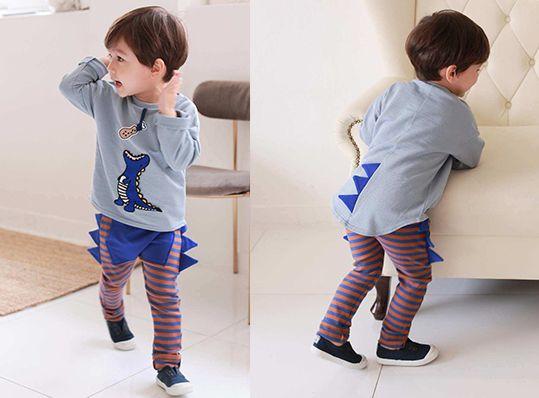
Clothing should help conceal these features—boys’ outfits should convey a “cool” look, while girls’ outfits should appear “cute and lively.”

Fabric:
Durable and hard-wearing materials suitable for active children, with good moisture absorption and breathability, such as high-count knitted fabrics. For some designs, key areas like the knees and elbows may use reinforced panels made from materials such as polyester twill, denim, or corduroy. In general, cotton, linen, fleece, and polyester fabrics are all suitable.

Colours:
Lively and bright contrasting colours can be introduced, including the three primary colours (red, yellow, and blue). Colour-matching techniques may be applied; please refer to the section below for pairing guidelines.

Construction & Craftsmanship:
Designs should be practical and safe, and easy for children to put on and take off by themselves. As toddlers have short necks, complex necklines or excessive frills are not recommended; collarless designs are preferred. With round bellies, styles requiring darts or fitted shaping should be avoided. Stitching should be strong and durable.

The use of metal or plastic materials is not recommended. Patch pockets are preferred, with reinforced openings to prevent tearing.

view all products

Requirements for Children’s Clothing (Ages 4–6):

For children aged 4–6, the general clothing requirements are as follows:

Characteristics:
This stage is a period of gender reinforcement and also the first stable growth phase after birth. In terms of body shape, children tend to have an upright waist, a slightly protruding abdomen, narrow shoulders, and relatively short limbs. The differences between chest, waist, and hip measurements are minimal, with circumference growth being slow while height increases rapidly. After the age of four, children typically reach a height of about five to six head lengths.

Fabric:
Almost all types of fabrics are suitable. Pure cotton, fine checkered fabrics, and combinations of corduroy with leather can be used to highlight individuality and add interest to the design.

Colours:
Bright colours with high brightness are the main choice. Please also refer to the colour-matching guidelines below.

Construction & Craftsmanship:
At this stage, gender differences begin to emerge. Designs should focus on ease of putting on and taking off, as well as layering garments. A certain level of structural variation and decorative techniques can be added.

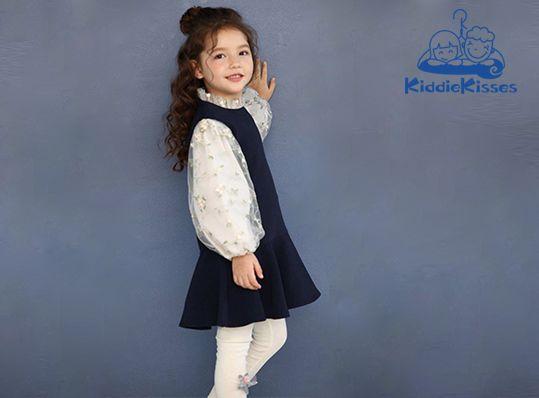
Two-piece outfits (separate tops and bottoms) are preferred to allow children to dress and undress independently. Openings should be slightly larger, and fastenings must be designed with safety in mind. As children are highly active, garments should allow sufficient ease of movement. Cuffs and trouser hems should not be overly wide, and lengths should not be too long. For tailored jackets, attention should be paid to a silhouette that is narrower at the top and wider at the bottom.

view dresses

Basic Styling & Matching Tips:

Styling principles begin to take shape during early childhood. The basic matching guidelines can be summarised into the following eight main rules:

  1. Dark on top, light on bottom:
    Creates a look that is dignified, graceful, calm, and serious.
  2. Light on top, dark on bottom:
    Creates a look that is bright, lively, cheerful, and confident.
  3. When highlighting the top:
    The colour of the trousers should be slightly darker than the top.
  4. When highlighting the bottoms:
    The colour of the top should be slightly darker than the bottoms.
  5. When the top has horizontal patterns, the bottoms should not have vertical stripes or checks.
  6. 上When the top has vertical patterns, the bottoms should avoid horizontal stripes or checks.
  7. When the bottoms are multi-coloured or patterned, the top should avoid busy or mixed colours.
  8. When the top has large or complex patterns, solid-colour bottoms should be worn.


view all products

Advanced Styling & Matching Tips:

Advanced styling techniques are mainly based on matching according to body shape and personality:

For children with a fuller build:
When choosing tops, opt for collarless or round-neck styles, such as crew-neck T-shirts or simple strappy dresses. For bottoms, trousers should not be too loose. In summer and autumn, tapered cropped trousers or ankle-length pants work best. This kind of styling helps the child appear less bulky overall.

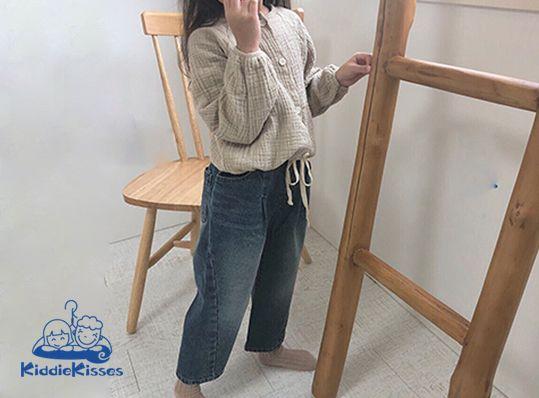
A pair of jeans can look slim and well-proportioned on a tall, slender child, but on a child with thicker legs, the same style may appear bulky. For such children, consider pairing a lightweight, slightly longer top that covers the hips with a more streamlined, straight-cut pair of trousers. This combination creates a visually elongated and slimmer silhouette.

For gentle and quiet children:
You may consider soft, elastic fabrics such as garments made from cotton, silk, or wool. These materials are not only comfortable and natural to wear, but also beautifully highlight a child’s purity and sensitivity, giving an overall impression of lightness, intelligence, and grace.

For more active and playful children:
Denim-style children’s wear is a great choice. Due to its sturdy and durable texture, denim is highly wear-resistant. It is less likely to get dirty or damaged, making it ideal for energetic children. At the same time, it allows for easy movement and creates a stylish look, making children appear strong, cute, and full of vitality.

check designer products

Colour Coordination (Colour Matching)

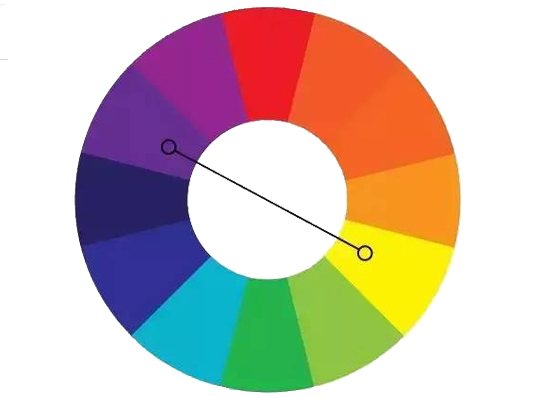
Please refer to the colour palette on the left for comparison:

  1. Analogous colours:
    Colours derived from the same hue, such as dark green with light green, deep red with light red, or brown with beige. This approach is widely used in clothing design. The colour combinations are soft and elegant, creating a gentle and harmonious visual effect.
  2. Analogous colours (near-hue colours):
    Refers to the pairing of colours that are close to each other on the colour wheel, generally within a range of 90 degrees. For example, red with orange or blue with purple. This type of combination gives a soft and unified impression, while offering more variation compared to same-hue colour schemes.
  3. Contrasting colours:
    When used in clothing, contrasting colours create a bright and vivid effect, such as yellow with purple or red with green. These combinations produce a strong visual impact and should not be overused. When applied over large areas, neutral colours can be used to balance and harmonise the overall look.

Colour Coordination (Top & Bottom Matching)

Matching the colours of tops and bottoms is one of the most commonly used styling techniques to consider.

  1. Light on top, dark on bottom:
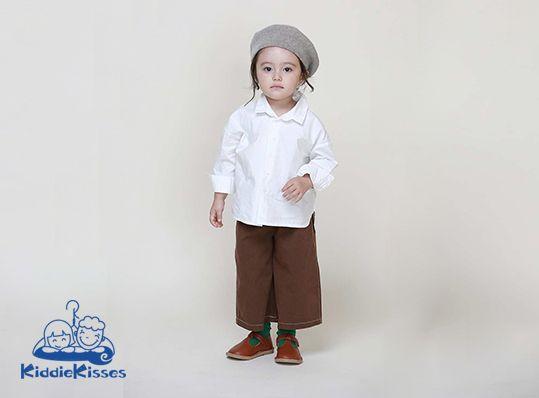
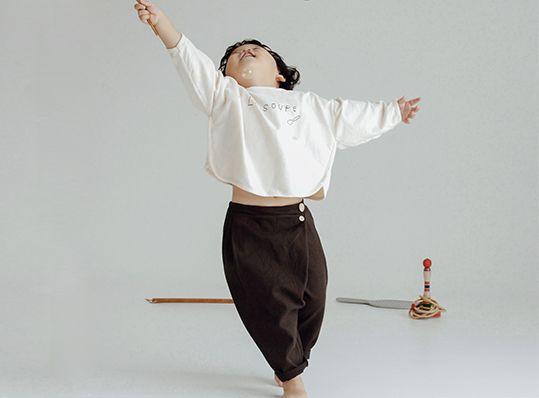
    Using bright or light tones for the top and darker tones for the bottom—for example, a cream-coloured top paired with dark brown trousers—creates an overall look that feels light and comfortable, and is suitable for a wide range of occasions.

  2. Dark on top, light on bottom:
    Using darker tones for the top and lighter, brighter tones for the bottom—for example, a dark green top paired with light orange trousers—creates a look that is energetic and fresh, while remaining distinctive and stylish.

  3. Patterned top with solid-colour bottoms, or patterned bottoms with a plain top:
    This approach helps create balance while adding variety and visual interest to the overall outfit.

  4. When the top features a two-colour check pattern, the trousers can be one of those colours.
    This is the safest and most reliable matching approach.

    Belts should be close in colour to the trousers, ideally the same colour, as this helps make the lower body appear longer and more streamlined.


Colour Coordination (The Relationship Between Clothing Colours and Body Shape)

Differences in body shape can also be highlighted or balanced through the use of colour techniques:

  1. Fuller body types:
    Wearing dark or understated colours can make the figure appear slimmer and more agile. When matching colours between the top and bottom, ensure that trousers or skirts are not lighter in colour than the top; otherwise, it may create an even bulkier appearance.

  2. Short and stocky body types:
    Wearing coordinated outfits or sets works well, with colours kept simple—preferably dark or neutral tones—and avoiding overly busy patterns. Pay attention to ensuring that the top and bottom do not occupy equal colour areas, as this can visually divide the body into two parts and make it appear shorter.

    Place the main styling focus above the waistline, such as around the neck and head area, to draw the eye upward. This helps create a taller and more elongated visual impression.

  3. Tall and heavy-set body types:
    Wearing neutral-coloured clothing helps create a more balanced and proportionate appearance. Avoid tight-fitting garments, and consider well-fitted outfit sets with slightly longer tops to achieve a more harmonious silhouette.

I don’t want to personally review or apply this myself.

If you prefer not to review or apply this yourself, you can leave it to us with confidence. Feel free to contact us at any time—our professional consultants will be more than happy to assist and answer your questions.


contact us

Made in korea

At the final stage of production, we naturally entrust the process to manufacturers with proven quality and safety—[Made in Korea]. All products in our store are entirely made in Korea.

Korea has a specific Children’s Product Safety Act for children’s wear. All infant and children’s textile products are regulated under this law, and their quality must be tested and certified by authorised Korean testing institutions.

In addition, the government strongly promotes the design industry, ensuring that Korean children’s clothing is not only reliable in quality and safety, but also distinguished by thoughtful design and a strong sense of fashion.

about us

latest news

Consumers and members of the media are invited to stay tuned for the latest updates from Kiddie Kisses.

latest news
Kiddie Kisses 網上商店開幕

Kiddie Kisses 網上商店於2019年10月20日正式開幕。

Media Enquiries

If any members of the media are interested in interviewing Kiddie Kisses, please feel free to leave your contact details and we will respond as soon as possible.